01
Talking Stick
Talking Stick Program

Talking Stick connects anonymous guests with trained Indigenous Peer Advocates who bring lived experience, cultural knowledge, language and empathy to every conversation. Guests remain anonymous. Peers are identifiable through professional profiles so people can choose someone who feels right for them.
Watch Talking Stick in motion.A short product film anchored to this solution page so people can watch before they explore the rest of the offer.
Talking Stick Program
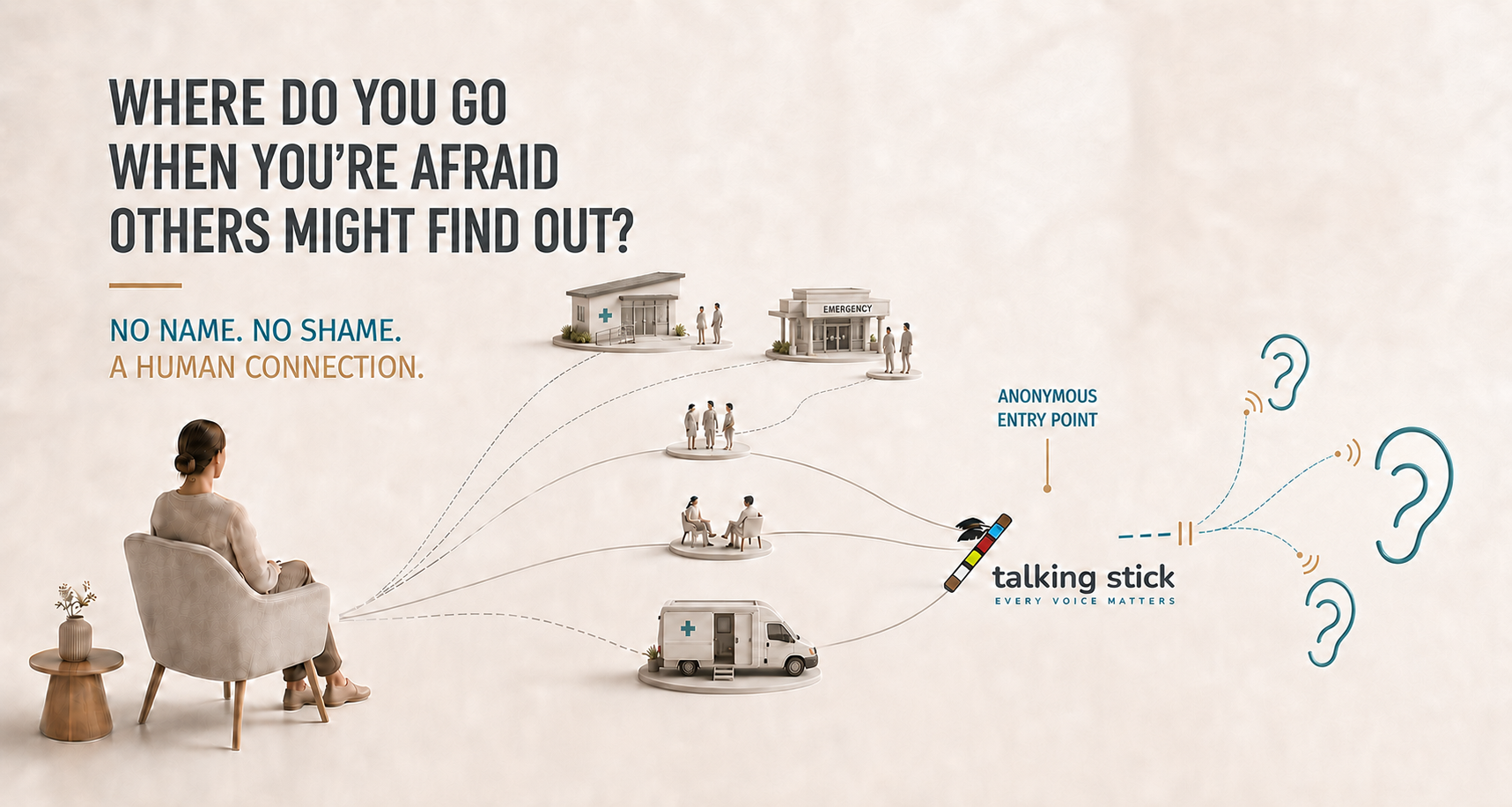
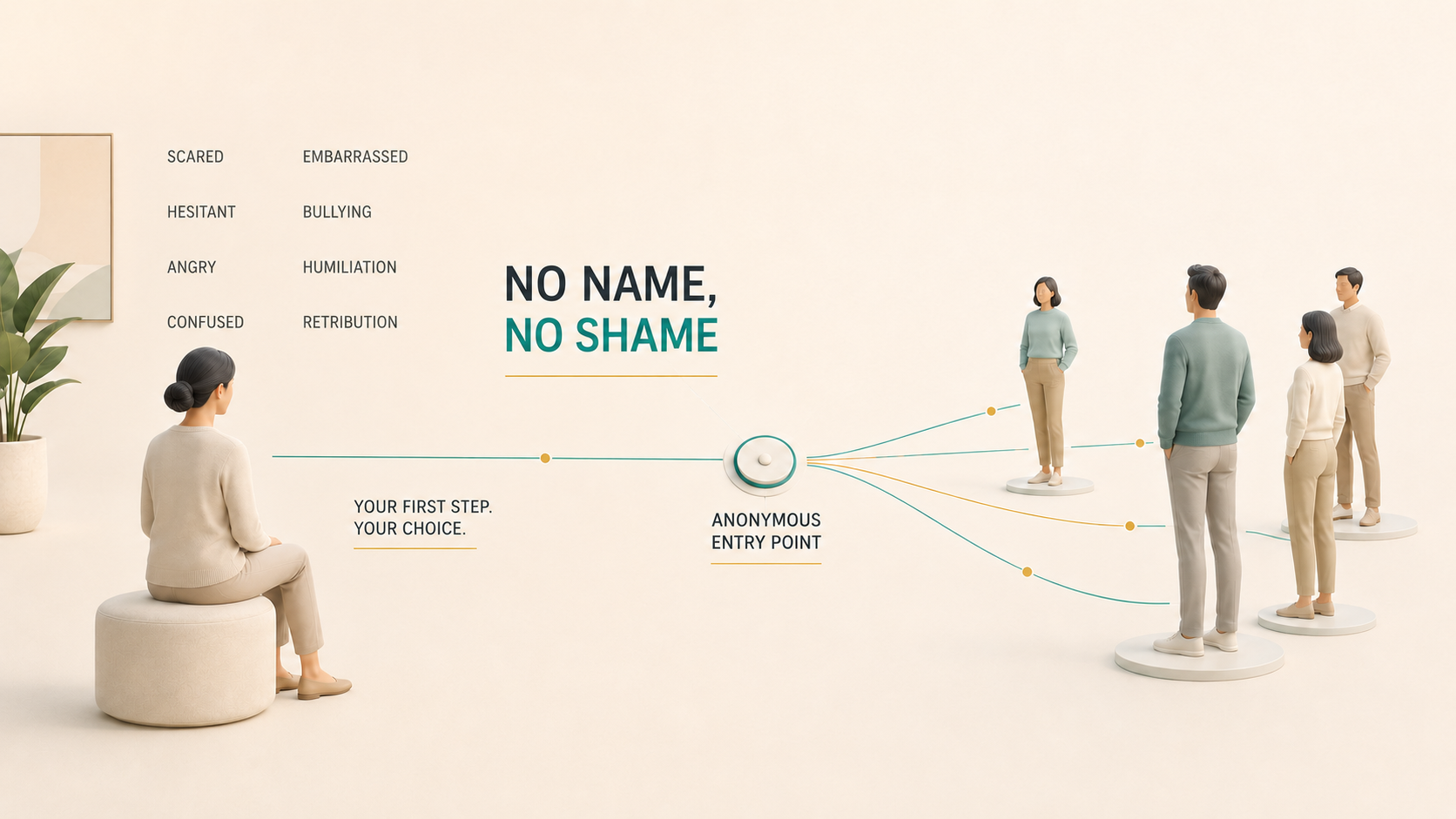
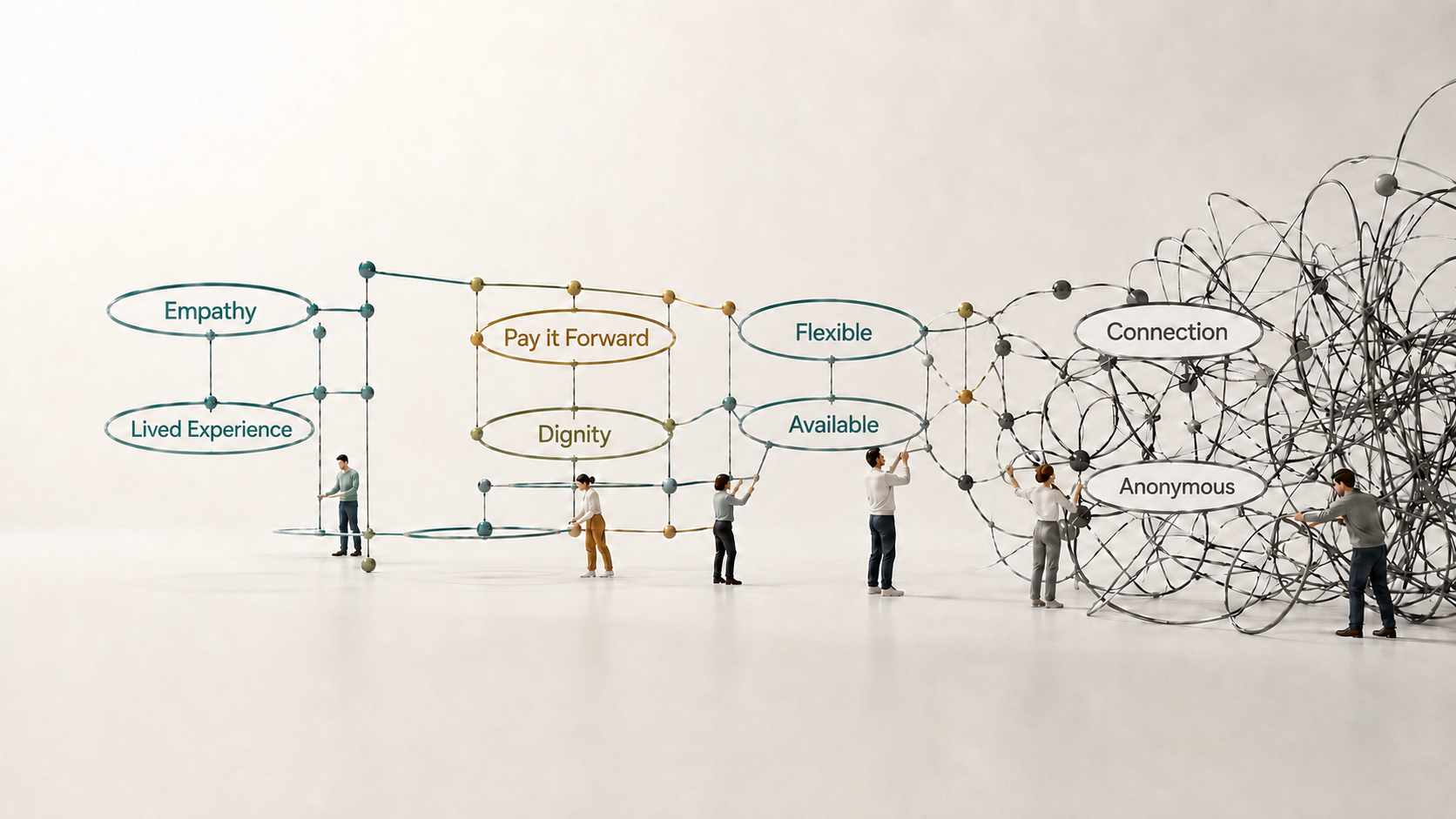
Peer profiles can include the community they are from, the languages they speak and lived experiences they are comfortable sharing such as residential or day school, recovery, grief, domestic violence, diabetes, disordered eating, gender identity, military service or other life challenges.
This allows a guest to choose a person who understands why they reached out, while the broader network creates options for anyone who would prefer not to speak with someone from their own community.
Peers serve scheduled online hours that may include mornings, afternoons, evenings and overnight periods. As the network expands toward 24/7/365 coverage, participating communities gain greater access during evenings, weekends, holidays, public-safety events, natural disasters and times when clinics, Band offices and other services are closed.
Peer Advocates listen without judgment, share appropriate resources and follow established crisis and safety procedures. They do not replace clinicians, emergency responders or formal community services. They help people feel heard, understand that options exist and build the confidence to seek additional support when they are ready.